Choosing the right domain extension has a significant impact on the effectiveness and image of a website in the eyes of both visitors and search engines.
A domain extension is not merely a symbol at the end of a web address but a key element of digital identity that can reflect a site’s purpose, audience segmentation, and credibility in the online world.
Several factors must be considered when determining a domain extension, ranging from user perception of professionalism and trustworthiness to the long-term branding strategy that a business aims to establish.
In the context of digital business, selecting an extension that aligns with the target market also plays a crucial role in building appeal and making the website address easier to remember.
The more relevant the domain extension is to the website’s character, the greater the chance it has to stand out amid the increasingly crowded digital competition.
Read Also : Tips for Choosing the Right Domain Name for an Online Business
How to Choose the Right Domain Extension
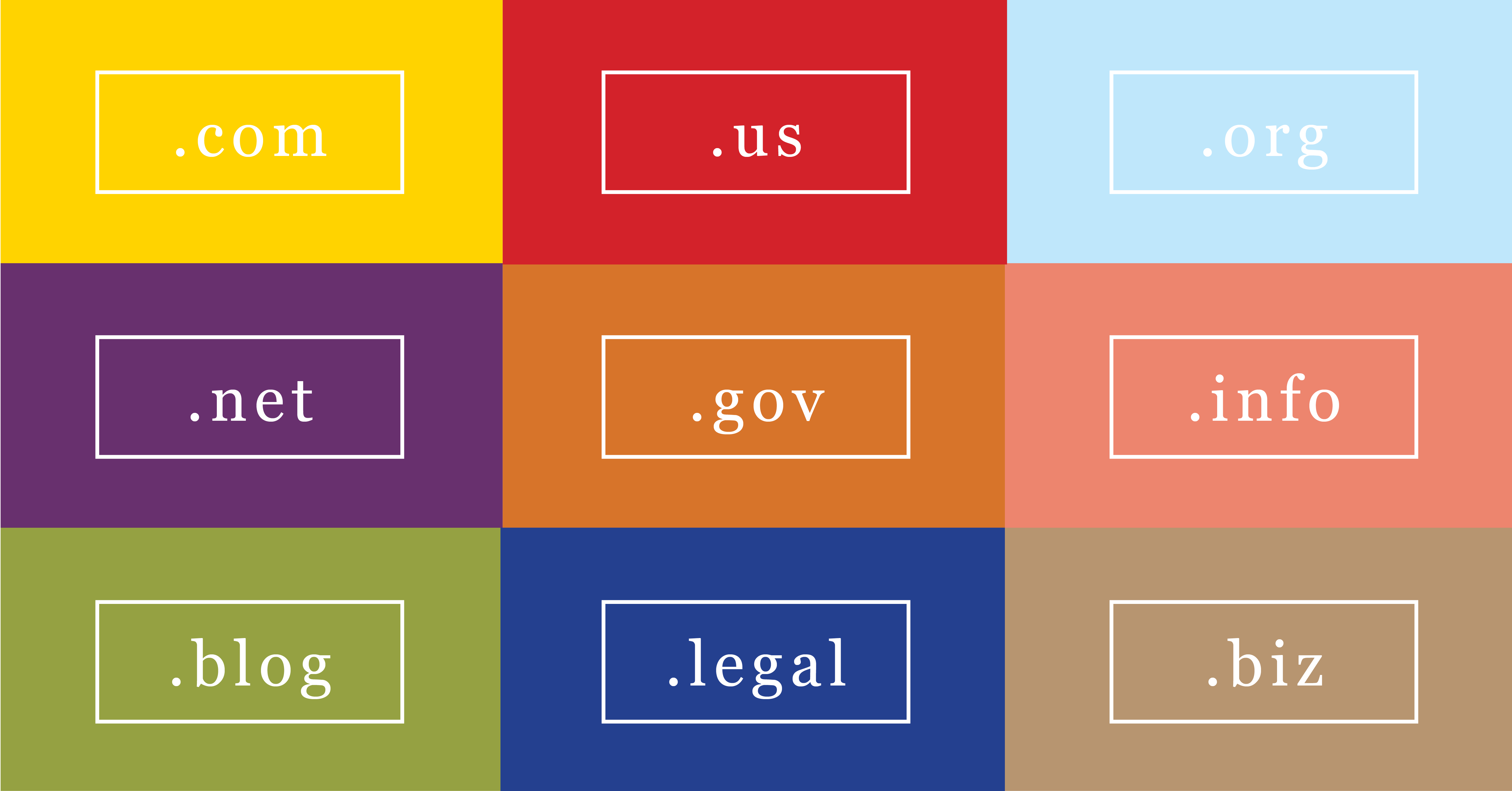
Here are several ways to determine the most effective domain extension for a website so that it can attract visitors’ attention and enhance credibility in the digital world.
1. Match It with the Website’s Purpose and Type
Choosing a domain extension should be based on the primary purpose of the website. Business sites, organizations, educational institutions, and personal blogs each have different characteristics, requiring an extension that clearly reflects their identity.
Extensions like .com are generally used for commercial purposes, while .org represents nonprofit organizations, and .edu is intended for educational institutions. Selecting the appropriate one helps audiences immediately understand the website’s function and reliability when they see its domain address.
Aligning the extension with the website’s purpose also influences its professional image and public perception. A company using a random extension may appear less credible compared to a competitor with an industry-relevant one.
This clarity reinforces branding strategies, reduces the risk of digital miscommunication, and expands the potential for long-term interaction between visitors and site owners.
2. Consider the Target Audience’s Location
The target audience’s location greatly affects how effective a domain extension will be. If a website focuses on a local market, using a country-code extension like .id for Indonesia or .my for Malaysia can increase its relevance in local search results.
Geographical extensions help search engines understand the regional context and prioritize the site for users in that area, thus increasing organic traffic potential.
Beyond reach, location-based extensions build trust by making visitors feel closer both geographically and culturally. This psychological aspect is essential for businesses that aim to strengthen regional identity and provide locally oriented services.
Using a country-appropriate extension also reinforces the brand’s image and demonstrates a sense of connection with the local community.
3. Choose an Extension That’s Easy to Remember
Having an easy-to-remember domain address is crucial for helping visitors return without difficulty. Popular extensions like .com, .net, or .org are widely recognized and remembered by internet users from different backgrounds. The combination of a short domain name and a familiar extension creates a professional impression and facilitates word-of-mouth promotion.
A simple extension also reduces the risk of typographical errors and increases the likelihood that users will find the intended site. In a digital world crowded with thousands of new websites every day, simplicity becomes an invaluable competitive edge.
An easy-to-remember extension accelerates brand recognition, maintains identity consistency, and enhances the effectiveness of long-term digital campaigns.
4. Consider SEO and Relevance Factors
Domain extensions can influence search engine optimization (SEO) by helping Google and other platforms categorize websites based on their relevance.
Extensions like .edu, .gov, or .org are often perceived as more trustworthy, making it easier to gain higher search rankings. Although not the only determining factor, combining a relevant extension with quality content can significantly boost website visibility.
The relationship between the extension and niche also strengthens SEO signals. For instance, technology-related sites can use .tech, while creative websites may choose .studio.
Selecting an extension aligned with the site’s theme reinforces digital identity and helps search engines assess content relevance to user queries. This strategy allows a website to compete organically without relying solely on paid advertising.
5. Avoid Overly Generic or Unfamiliar Extensions
Using overly generic or obscure extensions can confuse visitors and reduce their trust. Many internet users tend to be cautious of unfamiliar domain endings because they are often associated with unsafe activities such as spam or phishing. Choosing a widely recognized extension ensures a sense of safety and professionalism in the eyes of new visitors.
Foreign or irrelevant extensions can also hinder market penetration when targeting local audiences. A site with a mismatched extension might appear unprofessional or even suspicious.
Selecting an appropriate extension strengthens digital reputation and helps visitors feel confident engaging with the website without concern about security or authenticity.
6. Use Industry- or Theme-Specific Extensions
Certain industries have specialized extensions that reflect their focus or expertise, such as .store for e-commerce, .media for news portals, and .travel for tourism.
Specific choices like these enhance digital identity while signaling professionalism in the respective field. Thematic extensions can also attract visitors who are specifically seeking services or information within that sector.
Industry-specific extensions help clarify a website’s positioning among competitors. For example, a creative business using .design will stand out more to audiences seeking similar services.
Such relevance fosters emotional connection between the brand and visitors while strengthening public recognition of the site’s expertise within its industry.
7. Ensure It’s Not Associated with Negative Sites
Before deciding on an extension, it is important to ensure that similar domains have not been previously used by websites with bad reputations. Some extensions are often exploited by malicious parties for illegal activities, which can harm the credibility of new websites. Once a negative association forms, rebuilding digital trust can be difficult.
Conducting brief research on the history of the extension and similar domains helps avoid future problems. Using a clean, reputable extension reflects the integrity and responsibility of the website owner.
This step is also part of safeguarding users, increasing public trust, and establishing a strong foundation for long-term brand development.
Choosing a domain extension should never be rushed, as it greatly affects digital identity, marketing strategy, and audience reach.
Careful consideration helps create a powerful and recognizable combination of domain name and extension. The right decision serves as a long-term investment that supports the growth and credibility of a website in the highly competitive digital landscape.
Read Also : Complete Guide to Understanding the Differences Between New and Aged Domains
